
 Adventure Tours
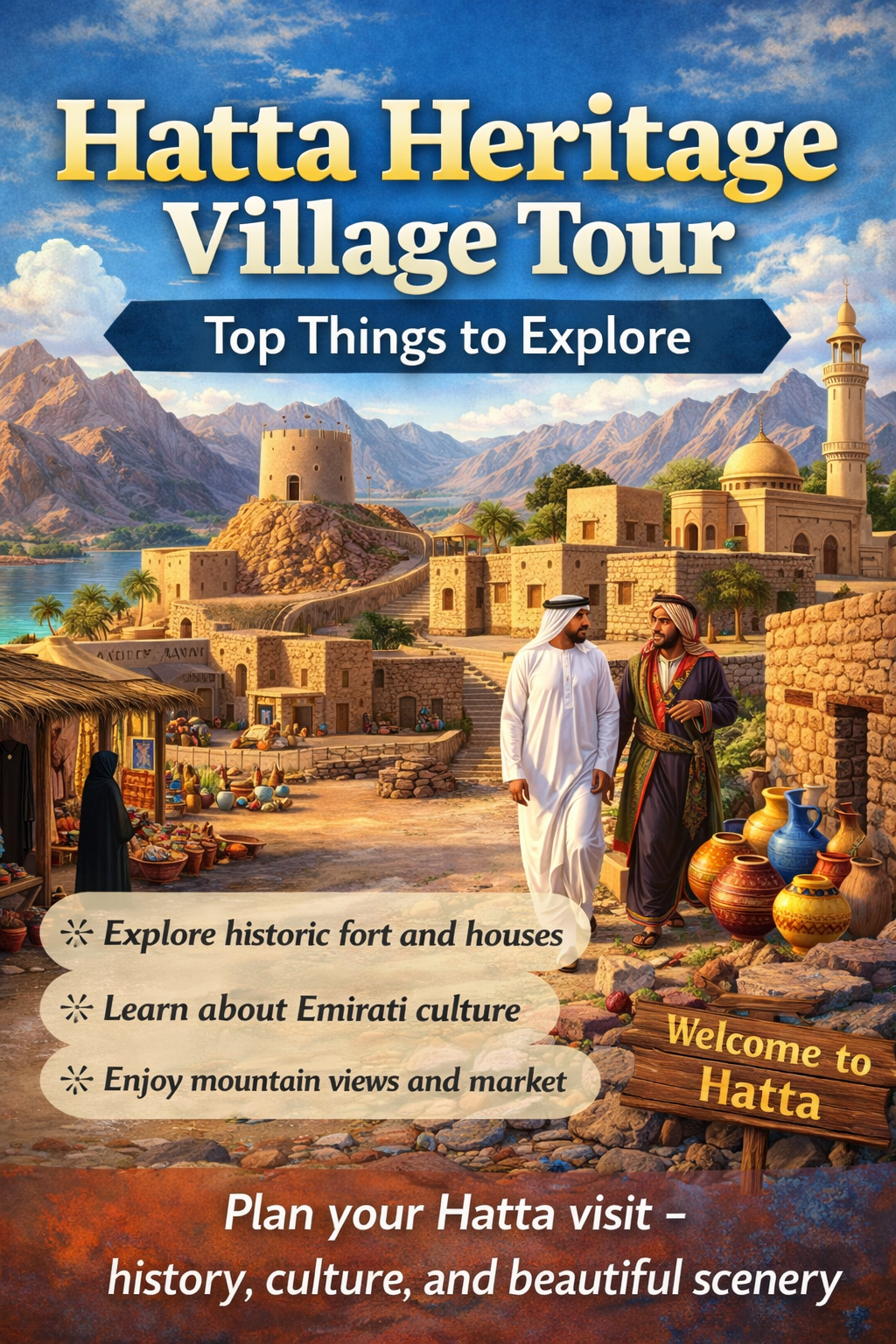
Hatta Heritage Village shows an excellent lifestyle in the UAE long before modern times. Reconstructed from both crumbled stones and natural elements, it is incredibly mesmerizing, surrounded by rugged peaks looming above the village. Visiting Hatta provides genuine insight into Emirati history and traditions. Understanding what to see helps maximize your Hatta Heritage Village experience.
The Traditional Mountain Houses
The village features several reconstructed traditional mountain houses showing authentic architecture. The thick walls kept interiors cool during hot summers. Small windows minimized heat while providing ventilation. The simple furnishings demonstrate how little people needed historically. Information plaques explain the purpose of different rooms and features. These houses show remarkable adaptation to harsh mountain environments.
Defense Towers and Fortifications
Two restored watchtowers overlook the village from elevated positions. These towers protected residents from attacks. The thick defensive walls demonstrate the constant security concerns. Narrow slits in the walls allowed defenders to observe and shoot outward safely. The towers represent important military architecture from the region. Understanding their defensive purpose adds context to daily village life.
Traditional Weapons Display
The village houses a collection of traditional weapons and tools. Information explains how different weapons were popular for hunting and defense. The displays provide context about tribal conflicts and protection needs. Traditional powder horns, bullet molds, and accessories accompany the weapons. Understanding the weapons helps appreciate the challenges people
faced historically.
Old Mosque
The restored mosque showcases traditional Islamic architecture adapted to conditions. The simple design reflects the practical needs of small mountain communities. The mihrab features basic and elegant decoration. Visitors can enter respectfully when prayers aren’t happening. The architecture demonstrates how religious practice adapted to available materials. The peaceful atmosphere invites quiet reflection regardless of faith. This building shows Islam’s central role in traditional Emirati life.
Traditional Market Area
The reconstructed market area shows the commerce in mountain communities. The market layout demonstrates social gathering spaces beyond commerce. Information explains the barter systems and trade networks that existed. Some shops now sell souvenirs and traditional crafts to visitors. The market area helps understand monetary life in isolated mountain villages. The social importance of markets as community centers becomes clear. This area brings the economic history of Hatta to life.
Agricultural Terraces and Falaj System
The ancient falaj water channels distributed precious water to crops. Information plaques explain how the gravity-fed water system operated. You can see date palms and other traditional crops still growing. The agricultural systems sustained communities in this harsh environment. Understanding water management shows the ingenuity of past generations. The terraces create beautiful patterns across the mountainside. This aspect particularly interests those curious about sustainable traditional practices.
Conclusion
Hatta offers an accurate insight into the history and traditions of the Emiratis. Traditional weapons displays, mosques, and market areas provide cultural context. Agricultural terraces and falaj systems demonstrate remarkable engineering. The museum building houses artifacts explaining Hatta’s history. Mountain views create stunning photography opportunities throughout. The site offers educational cultural experiences, contrasting with Dubai’s modernity. The peaceful mountain setting provides welcome breaks from city life.


